TFN’s Action Committee closely monitors dozens of environmental and nature-focused issues that are of concern to our members, and makes updates regarding these regularly in the blog. This page outlines some of the more noteworthy of these issues.
Stopping Billy Bishop Airport Expansion for Jets
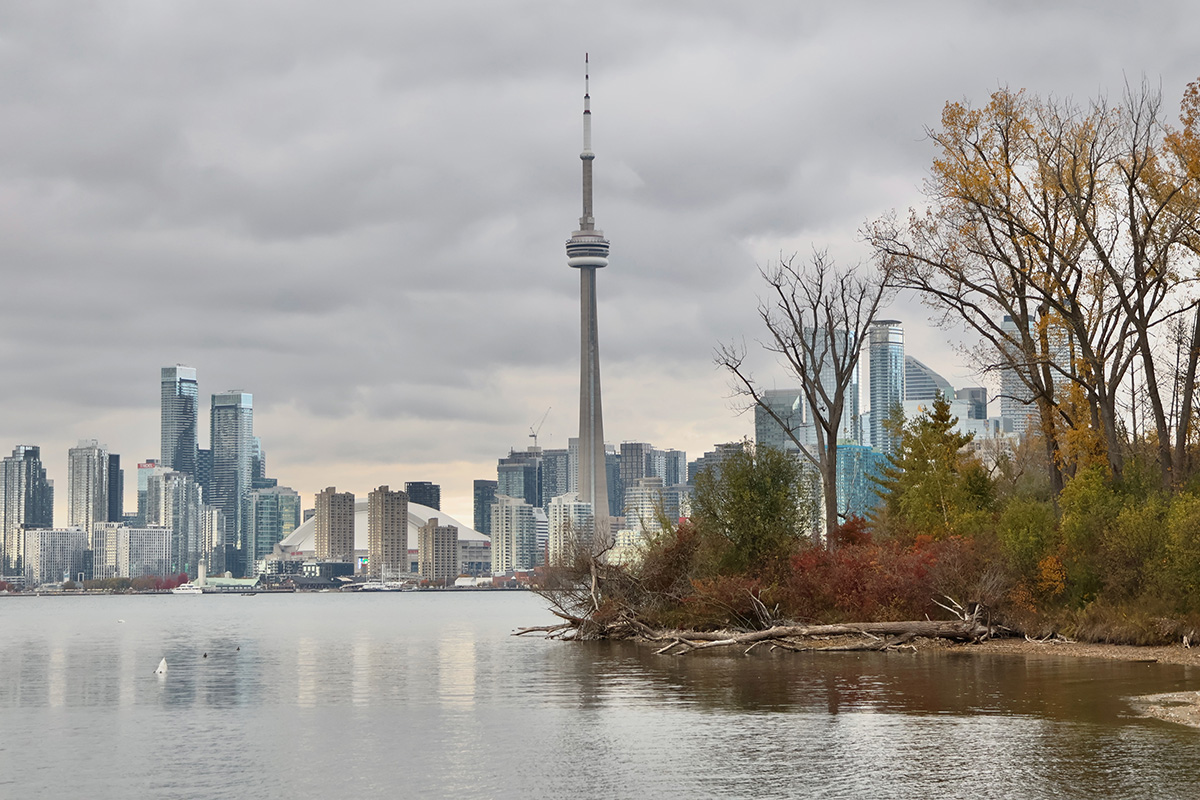
The proposed expansion of Billy Bishop Airport to accommodate jets would place 15 of Toronto’s Environmentally Significant Areas beneath the airport’s flight path, threatening critical habitats on Toronto Island, Tommy Thompson Park, Cherry Beach, High Park, and the Humber River mouth. Conservation organizations warn that increased jet traffic could lead to higher noise levels, poorer air quality, greater risks to Lake Ontario from fuel handling and de-icing operations, and increased pressure on protected public parkland. Toronto Island is a rare urban natural sanctuary that provides vital habitat for migratory birds, wetlands, dunes, and more than 85 locally rare plant species. The Toronto Field Naturalists are encouraging the community to contact their MP and MPP, sign the NoJetsTO petition, participate in public consultations, and join upcoming marches to help protect Toronto’s waterfront and ensure these important natural areas remain a haven for wildlife and people for generations to come.
Toronto Island Master Plan
The 25-year Toronto Island Master Plan, led by the City of Toronto and DTAH, aims to balance year-round public access, Indigenous placekeeping, and protection of the Island’s unique natural environment. The Toronto Field Naturalists (TFN) support the plan’s vision but are advocating for stronger ecological safeguards to ensure the Island’s fragile Environmentally Significant Areas (ESAs) are not overwhelmed by increasing visitor use. While the plan includes habitat restoration, shoreline protection, climate resilience measures, species-at-risk conservation, environmental education, and an Island Charter to encourage responsible stewardship among the Island’s 1.5 million annual visitors, TFN is urging the City to strengthen these commitments with measurable restoration targets, habitat protections, and visitor carrying-capacity limits to preserve Toronto Island’s exceptional biodiversity for future generations.
Scarborough Bluff Environmental Assessment
The Scarborough Bluffs West (SBW) Project is an Environmental Assessment led by the City of Toronto and the Toronto and Region Conservation Authority (TRCA) to address shoreline erosion, improve public safety, and evaluate a continuous 4.5 km waterfront trail connecting the Eastern Beaches to Bluffers Park. The assessment will explore erosion-control measures, climate resilience, and long-term public access while carefully evaluating impacts on the Bluffs’ sensitive terrestrial and aquatic habitats, wildlife, species at risk, and natural ecosystems. The Toronto Field Naturalists are advocating for strong environmental protections to ensure that shoreline stabilization and trail improvements prioritize habitat conservation, reduce ecological impacts, and preserve the unique ecological integrity of the Scarborough Bluffs.
Challenging the Ontario Government’s Destruction of Ontario Place
A coalition of four citizen organizations — Ontario Place for All, Toronto Field Naturalists, Democracy Watch, and the National Trust for Canada — has been approved to intervene in a Supreme Court of Canada appeal challenging the Ontario government’s redevelopment of Ontario Place. The case will examine whether governments can use legislation to shield major land-use decisions from public and court review, and whether places of significant environmental, historical, and cultural value are protected under a public trust doctrine in Canada. The appeal, brought by Ontario Place Protectors, challenges the Rebuilding Ontario Place Act (ROPA), which ended an earlier legal review of the project. The Supreme Court of Canada is scheduled to hear the case on October 15, 2026.
Queens Park North
The Toronto Field Naturalists (TFN) have been actively involved in the revitalization planning for Queen’s Park North, advocating for the protection of the park’s mature tree canopy, ecological health, and its role as a natural, accessible “People’s Park” in the heart of Toronto. Through focus groups and public consultations, TFN has encouraged the City to balance improvements to public access with the protection of the park’s natural heritage, biodiversity, and character as a quiet urban refuge. Working alongside groups such as Friends of Queen’s Park North, TFN continues to advocate for a balanced approach to the $50 million revitalization project that enhances the park while preserving the natural qualities that make it a valued green space.
Toronto Biodiversity Strategy
This important City of Toronto initiative looks to “increase the quality and quantity of natural habitat, design the built environment to support more biodiversity, and increase access to and awareness of nature in the city.” During initial Strategy development, TFN members participated in public consultations, stakeholder workshops, and by making deputations at City Hall. In November, 2018, TFN was invited to join the Biodiversity Strategy Advisory Group and accepted. The final strategy is to be presented to Council early next year. TFN will update on progress in our newsletter and continue to distribute alerts for upcoming opportunities for open public comment in our Blog.
Toronto Pollinator Protection Strategy
TFN was invited to participate in stakeholder meetings during development of this strategy, which aims to protect hundreds of species of bees, butterflies, and other pollinators in Toronto. The final strategy was adopted by Council in May 2018, and TFN continues to monitor and report on its rollout.
Toronto Ravine Strategy
TFN sat on the City’s Ravine Strategy Advisory Group, advocating strongly for an enhanced committment to the protection and stewardship of these amazing landscapes and ecosystems. The final version of the Ravine Strategy was presented to the Executive Committee on Sept 26, 2017, where TFN delivered a deputation. It has since been adopted by Council along with the Ravine Strategy Prioritization Framework. TFN continues to advocate for the strategy, encouraging the City to fully fund implementation and to ensure subsequent natural heritage strategies, such as the Biodiversity Strategy, are in alignment.
Migratory Bird Sanctuary on Toronto Island
TFN organized and administrated a public petition in support of a 2017 motion by Councilor Joe Cressy to have “City Council request the Ministry of the Environment and Natural Resources to consider the Toronto Islands for designation as a Bird Sanctuary, under the Migratory Birds Act, and the enacting of appropriate regulations for the protection arising from such a designation”. We delivered 4,295 supporter signatures to the Parks and Environment Committee Meeting on January 18, 2017, and City Council voted in favour on January 21, 2018. We continue to monitor developments and will report progress in the Blog.