The Federal Government holds the ultimate authority to prevent the expansion of Billy Bishop Toronto City Airport to accommodate commercial jets. Right now, we have a critical window to make our voices heard: a federal public consultation survey is currently open, but it closes on July 24, 2026. Taking a few minutes to complete this survey, sign petitions, and contact your representatives is the most effective way to protect Toronto’s natural heritage.
Our Waterfront Ecosystem Under Threat
The proposed expansion endangers 15 of Toronto’s vital Environmentally Significant Areas (ESAs) lying directly within the flight path:

- Irreplaceable Habitats: Threatens Toronto Island, Cherry Beach, Tommy Thompson Park (Leslie Spit), High Park, and the Humber River mouth.
- Critical Stopovers: These sites serve as essential feeding and resting grounds for migratory birds crossing Lake Ontario.
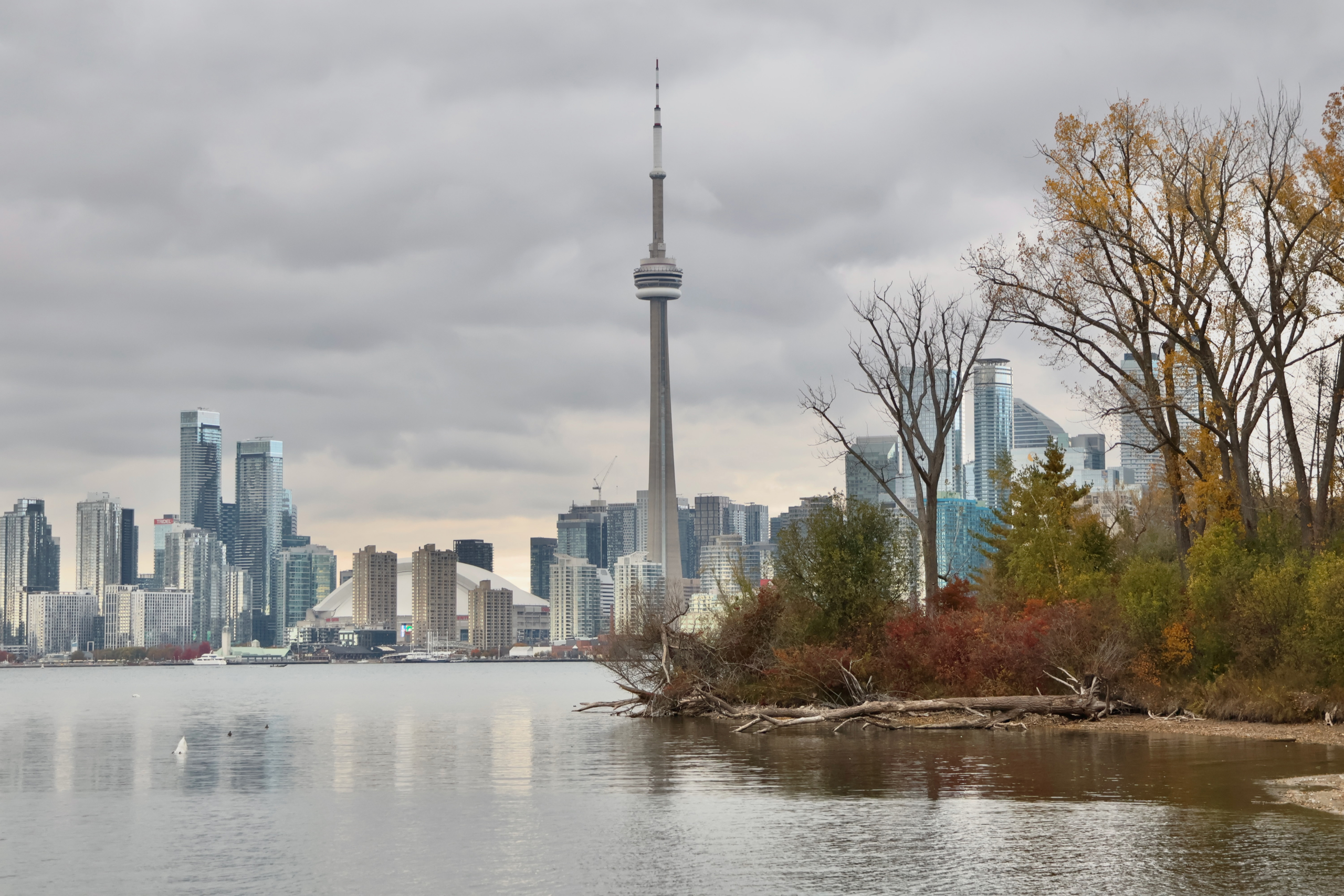
- Ecological Gems: As the Toronto Field Naturalists’ highlight, the Island is a rare urban sanctuary hosting dunes, wetlands, and 85 locally rare plant species.
Critical Environmental Concerns
- Elevated Noise Pollution: While the Province has suggested allowing newer “quieter jets,” they have provided no specific details on permitted aircraft types or long-term expansion limits. The proposed jets are 1.5 dB louder than current Dash 8 turboprops, significantly increasing the noise burden on surrounding neighborhoods and nesting wildlife.
- Degraded Air Quality: Jet engines produce significantly higher emissions (NOx, SOx, and soot), impacting downtown respiratory health and delicate shoreline ecosystems.
- Water Quality & Spill Risks: Increased flights mean more fuel trucks on public ferries—heightening spill risks—and more toxic de-icing fluids entering Lake Ontario.
- Habitat Devaluation: Provincial plans to expropriate Island parkland are unjustified when Pearson International Airport remains less than 30 minutes away.


How You Can Help

- Complete the Federal Survey: Fill out the official government consultation before the July 24 deadline.
- Contact Your Representatives: Call or write your MP and MPP to voice your opposition. Use our email template, but consider slightly modifying the subject line and opening paragraph so it stands out and avoids automated filters.
- Sign the Petitions: Visit the No Jets Toronto website to sign local and federal petitions.
- Spread the Word: Share this information with neighbors and community groups to raise awareness.
- Attend the March: No Jets T.O. March and Rally on Sunday, July, 26
A Choice for Toronto’s Future
Toronto Island is more than a transportation corridor—it is a treasured public asset where residents can experience natural shorelines, rare plants, and bird migrations in the heart of the city.
Once these habitats are damaged, they may take decades to recover or be lost forever. By speaking up today, we ensure that Toronto Island remains a natural sanctuary for generations to come.
-Pete S