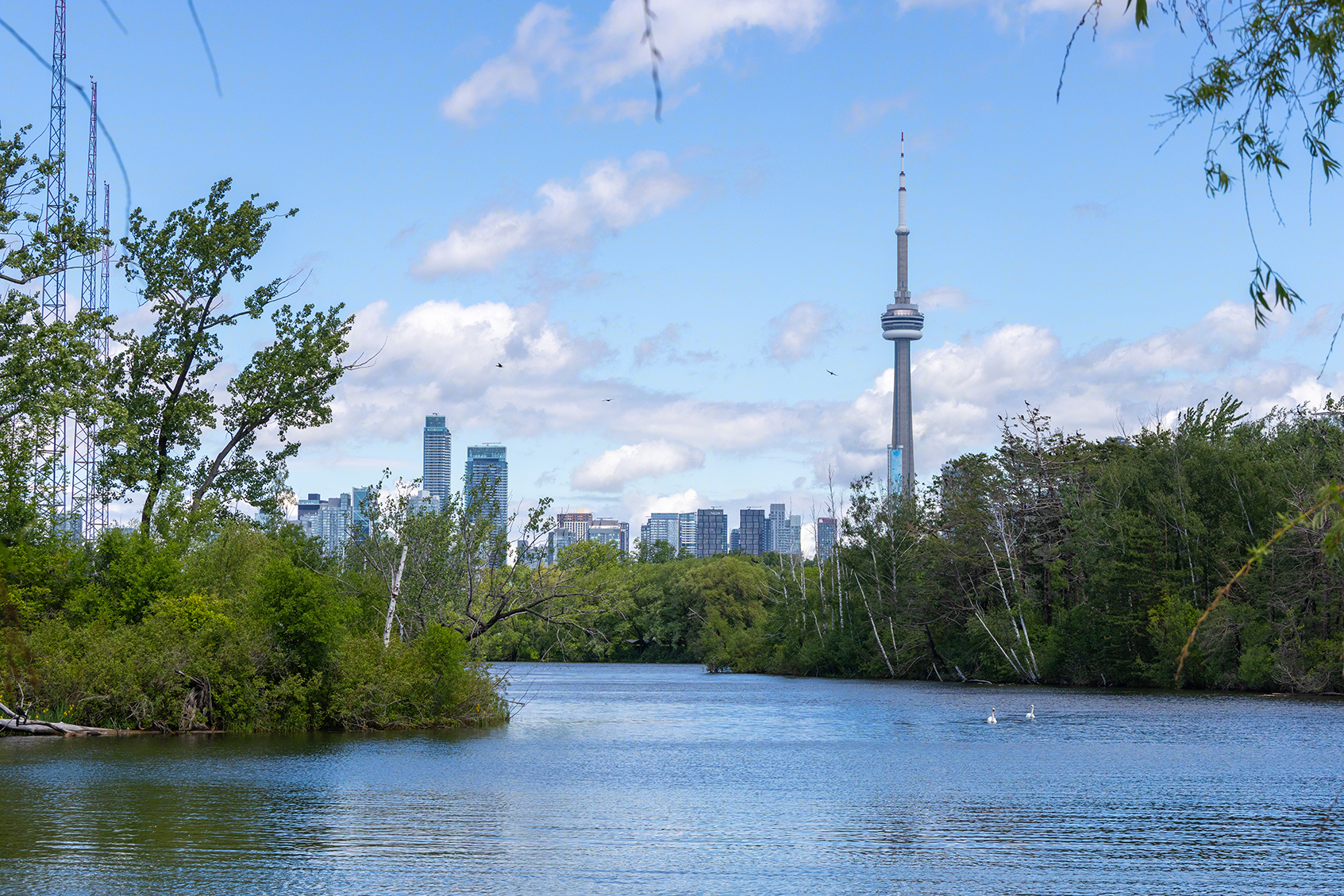

How would Toronto’s mayoral candidates protect our city’s nature? Ahead of the city election, Toronto Field Naturalists’ Take Action Team reached out to the candidates to ask about their priorities for ravines, natural waterfront lands, and nature across the city. Their responses highlighted several shared priorities: reducing litter and pollution, protecting natural spaces from development, and helping people and nature coexist.
We summarized our findings below, and we thank all the candidates who took time to respond to us!
As the Toronto mayoral election is approaching, Toronto Field Naturalists took the initiative to reach out to some mayoral candidates about where they stand with the local nature in Toronto, hoping to provide our readers and followers with some insights.
On August 31, 2026, The Take Action Team from Toronto Field Naturalists reached out to 31 mayoral candidates, whose contact information was publicly available, out of a total of 52 mayoral candidates. In our email, we provided backgrounds on ravine lands and waterfront parklands, we then proceeded to ask 3 questions: what are the candidates’ priorities to protect Toronto’s ravine lands; what are their priorities to protect and enhance the natural waterfront lands of Toronto; and other general ideas to protect the Toronto nature. Out of the 31 candidates we reached out to, 7 candidates responded by our deadline, and we summarized their responses below.
Almost all candidates recognized the importance of protecting ravine lands and our waterfront parkland from pollutions. Many mentioned eliminating garbage, having better littering systems, and the overall goal of preserving ravines and parklands to keep them out of urban constructions. Many also recognized the importance of having access to water, the importance of building an ecosystem where people and nature can co-exist, some want to focus on reconstructing proper trails and walkways, while others emphasized the importance to preserve biodiversity in Toronto, by planning more trees and native species that allow pollinators to thrive. We are very glad that some candidates also want to put more resource to stewardships and volunteers, invest in people who are about the environment and nature.
We also encourage our followers and readers to ask the candidates about what their priorities are when it comes to the nature of Toronto through similar questions, and we welcome any concerns or discussions around these topics.
You can read more about our email here and the responses from the candidates below.
by Chloe W.
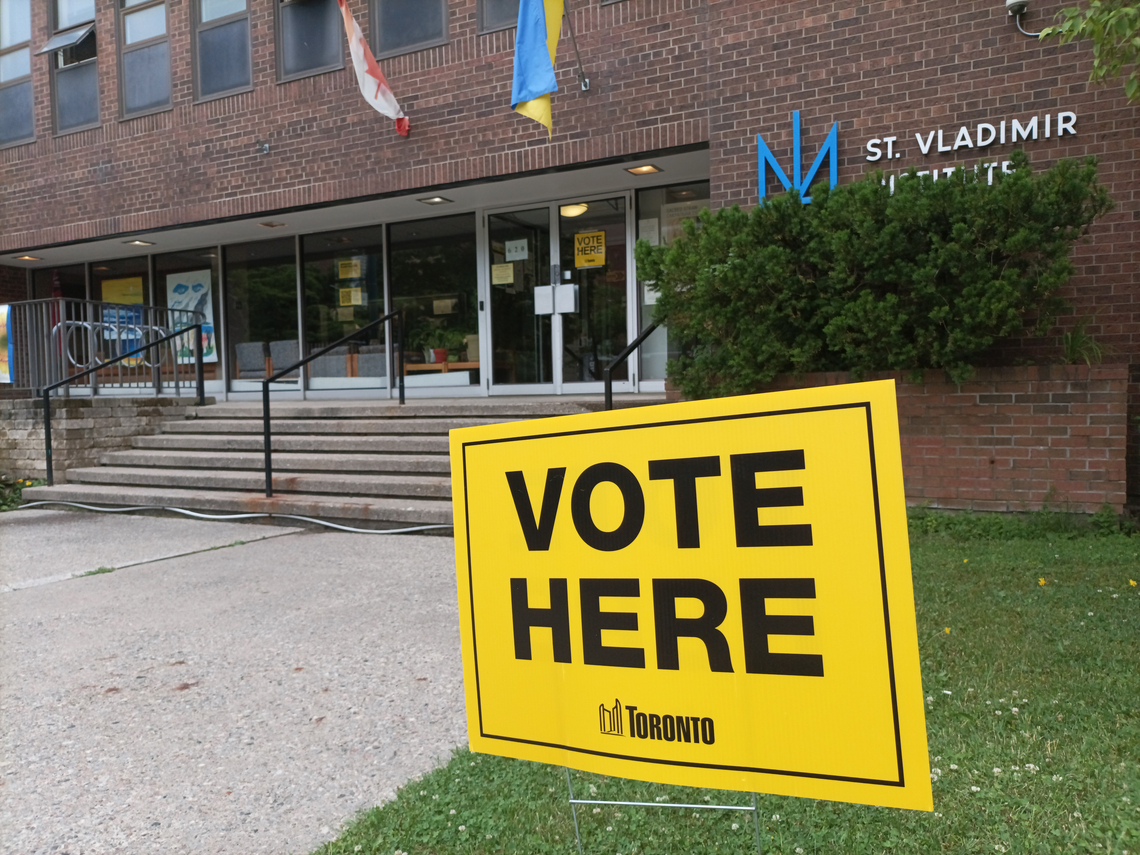
Candidate Responses:
Robert Shusterman:
Ravine lands and the waterfront must be protected and enhanced.
We Need to be careful about pollution and not throw junk or garbage in these areas as we need to protect them.
Signs must be evident in ravines showing possible danger zones or steep cliffs. I also want to emphasize that the water in ravines cannot be polluted. we really have to be careful what we put in there. Throw all garbage in garbage bins. Also we need to protect the wildlife in ravines especially in the water. it should not be disturbed in any way.
Our waterfront can be enhanced again by keeping it clean and not throwing any refuse or garbage in the water. We need more boardwalks for people to walk along the waterfront and we have to put in whatever safety measures we can such as do not swim alone or under adverse weather conditions and beware of any dangers. Also by planting more trees along the waterfront would further enhance the beauty of the waterfront.
Jack Weenen:
Development in the city is such that funding and support for Toronto ravines and parks is of paramount importance to making this development liveable. Development must not be permitted to encroach on the limited available green space necessary to balance land enjoyment and land stewardship that both benefit the quality of life we can expect to enjoy in Toronto.
Jack Hartley:
Toronto’s ravine land is essential but increasingly being destroyed by lazy people dumping their trash in our beautiful parks. As someone who grew up in Rouge Park I understand the immense value of our nature. Stronger punishments for littering would help.
The waterfronts of Toronto are also a place where I grew up and want to see protected. However too often construction blocks valuable paths for years at a time because we simply accept construction inefficiency. I would reopen rouge beach and other waterfronts under construction much faster.
As for other ideas I do love the greenery of the city, but I would increase accessibility to natural areas during the snowier months by investing in snow removal. Our city shuts down far too much in the winter.
Habiba Desai:
Q1. Ravines: Toronto’s ravines need to be clean, safe and protected. I would prioritize regular garbage and illegal-dumping cleanup, trail maintenance, invasive-species removal and restoration.
Q2. Waterfront: I envision the Port of Toronto and surrounding waterfront becoming a major tourism hotspot, while protecting public access, natural habitats and waterfront parks.
Q3. Other ideas: I want more butterflies, bees and birds in Toronto. I would expand pollinator gardens, plant more native species and restore natural habitats across our parks, ravines and waterfront.
Sandeep Srivastava:
Q1:
Toronto’s ravines are one of our city’s greatest natural assets. They provide habitat for wildlife, protect biodiversity, manage stormwater, reduce flooding, improve air quality, and give residents access to nature. My priority as Mayor will be to protect Toronto’s ravine system as essential city
infrastructure—not as vacant land available for inappropriate development.
My priorities will include:
1. Strengthen ravine protection and enforcement
I will support stronger protection of environmentally significant ravine areas and ensure that municipal planning, development approvals, infrastructure projects and maintenance decisions respect the ecological function of ravine lands.
2. Protect the ravine system from development pressures
Development near ravines must be carefully assessed for impacts on trees, wildlife habitat, erosion, groundwater, stormwater and slope stability. I will support development patterns that protect natural areas and avoid unnecessary encroachment.
3. Expand native tree and habitat restoration
I will establish long-term restoration targets for degraded ravine areas, prioritizing native trees, shrubs, wetlands and other natural habitats while controlling invasive species.
4. Make ravines part of Toronto’s climate-resilience strategy
Healthy ravines are natural infrastructure. They help absorb stormwater and reduce the impacts
of extreme rainfall. I will prioritize natural solutions alongside engineered infrastructure to
improve flood resilience.
5. Improve ravine trails while protecting sensitive ecosystems
Residents should be able to enjoy Toronto’s ravines safely, but recreational access must be
balanced with ecological protection. I will support well-designed trails, appropriate lighting and
signage, accessibility improvements and maintenance where environmentally appropriate.
6. Protect wildlife and biodiversity
I will support habitat restoration, wildlife corridors, pollinator habitats and measures that reduce
disturbance to sensitive species.
7. Increase public participation and stewardship
I will work with residents, Indigenous communities, environmental organizations, schools, community groups and local volunteers to create stronger stewardship programs and environmental education opportunities.
8. Establish measurable ravine performance targets
The City should publicly report on ravine health, tree canopy, habitat restoration, invasive-
species management, erosion, trail conditions and other environmental indicators.
My goal: Protect Toronto’s ravines today so that future generations inherit a healthier, greener
and more resilient city.
Q2:
Toronto’s waterfront is both an environmental treasure and one of the defining features of our city. We must ensure that waterfront revitalization creates public spaces and economic opportunities without sacrificing natural habitats, ecological function or public access.
My priorities will include:
1. Protect natural waterfront habitats
Natural shoreline areas, wetlands, beaches, trees, aquatic habitats and other environmentally
significant lands should receive strong protection from inappropriate development and
unnecessary disturbance.
2. Restore natural shoreline ecosystems
Where appropriate, I will support shoreline restoration using nature-based solutions such as wetlands, native vegetation, naturalized shorelines and habitat improvements. These measures
can provide environmental benefits while also improving climate resilience.
3. Improve waterfront climate resilience
Toronto must prepare for more intense storms, flooding, erosion and changing lake conditions.
Waterfront planning should incorporate resilient infrastructure, natural flood protection and long-
term climate adaptation.
4. Preserve public access to the waterfront
Toronto’s waterfront belongs to the public. I will support continuous, safe and accessible public
access to parks, trails, beaches and natural areas while protecting sensitive ecological zones.
5. Protect Lake Ontario’s water quality
Clean water is fundamental to Toronto’s environmental and economic future. I will support
measures to reduce stormwater pollution, improve runoff management, protect wetlands and strengthen efforts to keep pollutants out of Lake Ontario.
6. Expand waterfront biodiversity
I will support native planting, pollinator habitats, aquatic habitat restoration and wildlife corridors connecting the waterfront with Toronto’s ravine and green-space systems.
7. Balance development with environmental responsibility
Waterfront development should contribute to a vibrant Toronto while respecting environmental
limits. Major projects should be evaluated for their long-term impacts on habitat, flooding, public access, tree canopy, transportation and infrastructure.
8. Connect the waterfront to the ravine and parks network
I want Toronto to think of its ravines, parks, ravine corridors and waterfront as one interconnected green infrastructure system rather than separate pieces of land.
9. Support sustainable waterfront transportation
Safe walking and cycling connections, reliable public transit and environmentally responsible transportation options should make it easier for residents to enjoy the waterfront without increasing dependence on automobiles.
10. Protect the waterfront for future generations
Every major waterfront decision should be evaluated not only for today’s needs but also for its environmental consequences over the next 25, 50 and 100 years.
My goal: A waterfront that is cleaner, greener, more accessible, more resilient and protected as a public and natural asset for generations to come.
Q3:
Protecting nature requires a city-wide approach. Toronto should not treat environmental protection as a separate issue—it should be integrated into transportation, housing, infrastructure, economic development, public health and city planning.
If elected Mayor, I would advance the following additional priorities:
1. Protect and expand Toronto’s urban forest
Increase tree planting and long-term tree survival, particularly in neighbourhoods with low tree canopy and high exposure to heat.
2. Establish a stronger “Green Infrastructure First” approach
Whenever practical, the City should consider natural solutions—trees, wetlands, rain gardens, permeable surfaces, naturalized areas and green spaces—alongside conventional infrastructure.
3. Expand pollinator and biodiversity corridors
Create connected networks of native plants and habitats across parks, ravines, streetscapes, school properties and appropriate public lands.
4. Reduce unnecessary loss of mature trees
Mature trees provide environmental benefits that cannot immediately be replaced by planting
small trees. Development and infrastructure planning should prioritize preservation wherever
reasonably possible.
5. Make every neighbourhood greener
Environmental quality should not depend on a person’s postal code. I will support investments in
communities that have fewer trees, fewer parks, less shade and greater exposure to extreme heat.
6. Improve stormwater management
Toronto needs to reduce runoff entering the sewer system and waterways. More green infrastructure can help reduce flooding while creating healthier neighbourhoods.
7. Reduce litter and plastic pollution
I will support stronger waste reduction, recycling, litter prevention and community clean-up
programs, particularly around waterways, parks and natural areas.
8. Protect biodiversity in city planning
Environmental impact and biodiversity considerations should be incorporated early into municipal planning rather than treated as an afterthought.
9. Make environmental information transparent
Residents should be able to see how Toronto is performing on tree canopy, biodiversity, parkland, water quality, waste diversion, greenhouse-gas emissions and other environmental indicators.
10. Partner with schools and young people
Toronto’s youth should have opportunities to participate in tree planting, habitat restoration, environmental education and community stewardship.
11. Work with Indigenous communities and knowledge holders
The City should meaningfully engage Indigenous communities and respect Indigenous knowledge and perspectives in environmental stewardship and land-use planning.
12. Create a Toronto Nature Stewardship Partnership
I would bring together residents, environmental organizations, businesses, schools, universities, community groups and Indigenous partners to expand volunteer stewardship and environmental restoration throughout the city.
A greener Toronto is a healthier Toronto
My environmental vision is straightforward: protect what we have, restore what has been damaged, expand our natural systems and make environmental benefits available to every Toronto resident.
As Mayor, I will promote responsible growth while protecting the natural assets that make Toronto special. Our ravines, waterfront, parks, trees, wetlands and wildlife are not obstacles to Toronto’s future—they are part of the foundation of our future.
Robert Curto:
As someone with a masters in environmental urban planning, I’m happy to be involved in
this. Please find my answers to your questions below.
Q1:
Toronto’s ravines really make our city special, and I wish more people recognized their importance. Ravines run through our neighbourhoods, connecting forests, creeks and parks across the city. As one of our greatest natural assets, we cannot treat them as leftover space between roads and development. We need to prioritize ecological health! This can include native plants restoration, manage invasive species, reduce dumping and erosion, and ensure new development does not further fragment these natural corridors.
One of the most valuable things I learned studying environmental planning is that people and natural spaces are connected. When people can experience a ravine, they’re more likely to value and care for it. But how we provide the access matters. We need to repair trails, improve wayfinding, and look at where roads, rail lines and other barriers have broken connections between ravines. Each improvement should respond to the ecology of that particular place.
I would build on the City’s Ravine Strategy and work with the TRCA, Indigenous partners and local stewardship groups. I would also direct attention to neighbourhoods where residents have fewer opportunities to access nature.
Q2:
Toronto’s waterfront should be a place where people and wildlife can both thrive. I would protect natural areas like Tommy Thompson Park (one of many) while restoring habitat elsewhere. This includes planting a greater variety of locally native trees, shrubs and wildflowers for birds, bees and butterflies, and creating wetlands and underwater habitat where conditions allow.
Protecting the waterfront also means improving the water itself. I would keep investing in stormwater and sewer upgrades that reduce pollution after heavy rain, helping make the lake healthier for wildlife and people. I also want more people to enjoy the waterfront, including Scarborough’s shoreline. That means better transit to waterfront parks, accessible paths and places to sit by the water, and trail connections that respect sensitive natural areas.
Q3:
Nature should not stop at the edge of a park. I would expand Toronto’s tree canopy, connect habitats with native planting, and make room for nature in streets, schoolyards and new developments. I would also support community led restoration and help young people learn about nature in their neighbourhoods, especially where shade and green space are limited.
I think bringing a little of Tommy Thompson Park’s spirit to City Hall and other civic spaces, would be cool. Toronto’s waterfront was shaped from sand, rubble and concrete into a thriving natural landscape. We can apply that same imagination in the city. That could mean replacing unnecessary hardscape with native gardens, rain gardens, shade trees and habitat features, while adding more seating, play spaces and outdoor gathering areas. There are many examples where people and nature thrive together, let’s build on that.
Josh Thompson:
Q1 Ravine priorities:
Cut waste at City Hall and put money where it actually maintains the city. Parks and ravine ops get the same fiscal discipline as every other agency and board — no new bureaucracy, no blank cheques. Support the volunteer stewards already doing the work (Community Stewardship, Toronto Nature Stewards, TFN at Cottonwood Flats). Fix illegal dumping and keep people safe on the trails — violent crime first includes the parks people use. I will not invent a new ravine empire; I will make the existing system do its job.
Q2 Waterfront priorities:
Keep public waterfront land public. Torontonians should not lose parkland to privatization schemes. Housing pressure is real — build actual units elsewhere so we are not forced into a false choice of chewing up every green edge. Fiscal discipline on waterfront agencies and boards. No jets theatre at Billy Bishop that guts what people already use.
Q3 Others:
Nature lasts longer when the books are honest and the street is safe. Axe the tax. Build the houses. Hold agencies accountable. Defeat Olivia Chow.